
Join us on World Consumers Rights Day at Fair Digital Finance Forum 2022 for a lively discussion with representatives from West and Central Africa on why a gender lens is critical to financial consumer protection — and how to increase protection for all consumers.

Cameroon - UN Women's Gender Road Project by UN Women Gallery is licensed under CC BY-NC-ND 2.0
Event details
Description
Approximately one billion women worldwide do not have access to formal financial services, due to persistent barriers including obtaining identification documents, mobile phones, digital skills, and financial capability. How can decision-makers embed a gendered lens into financial consumer protection frameworks to help advance financial inclusion and empowerment of women?
Speakers will share best practices and experiences in applying a gender lens to financial consumer protection from a local, national and regional perspective.
We welcome you to bring your insights to this interactive workshop to help explore a gender-inclusive approach to Financial Consumer Protection.
Date
March 15, 2022, 10-11am GMT (World Consumers Rights Day) via Zoom
Hosts
Fair Digital Finance Forum 2022
Consumers International and UNCDF Policy Accelerator
Registration
Register here, as places are limited.
Participants
Sophie Falsini, UNCDF Policy Accelerator (moderator)
Felicia Monye, President, Consumer Awareness Organisation, Nigeria
Virginie Mouananga, CEO of Blanc Cristal, Gabon
Philip Bangura, Assistant Director, Consumer Protection and Credit Reference Bureau, Bank of Sierra Leone
Ahmed Dermish, UNCDF Policy Accelerator
Friederike Rühmann, UNCDF Policy Accelerator
Related updates

Uganda’s financial consumer protection involves multiple regulators, each with unique roles and challenges. We explore the regulatory landscape, highlighting key institutions and discussing the need for better coordination, enforcement, and public awareness to ensure fair and effective consumer protection across the financial sector.

Uganda's financial landscape is booming, with mobile money leading the surge in financial inclusion. However, this progress demands robust consumer protection measures to prevent financial harm.

UNCDF's Policy Accelerator program emerges as a critical partner to governments, co-orchestrating a symphony of policy change across Africa, Asia, and the Pacific.

To make the National Inclusive Finance Strategy a reality for all Cameroonians, the CNEF is at the forefront, resolutely committed to the protection of financial consumers. Learn more about its key projects and why UNCDF is supporting its work.

As new and underserved groups start using Digital Financial Services (DFS), each sector plays a vital role in creating a web of inclusion, accountability and protection.

UNCDF and Flutterwave join forces to ensure women's voices are included during the policymaking process on digital financial services. In June 2021, our CEMAC advisory panel shared 23 proposals for accelerating women’s financial inclusion with regulators and public decision-makers in the region. Read the full report here.
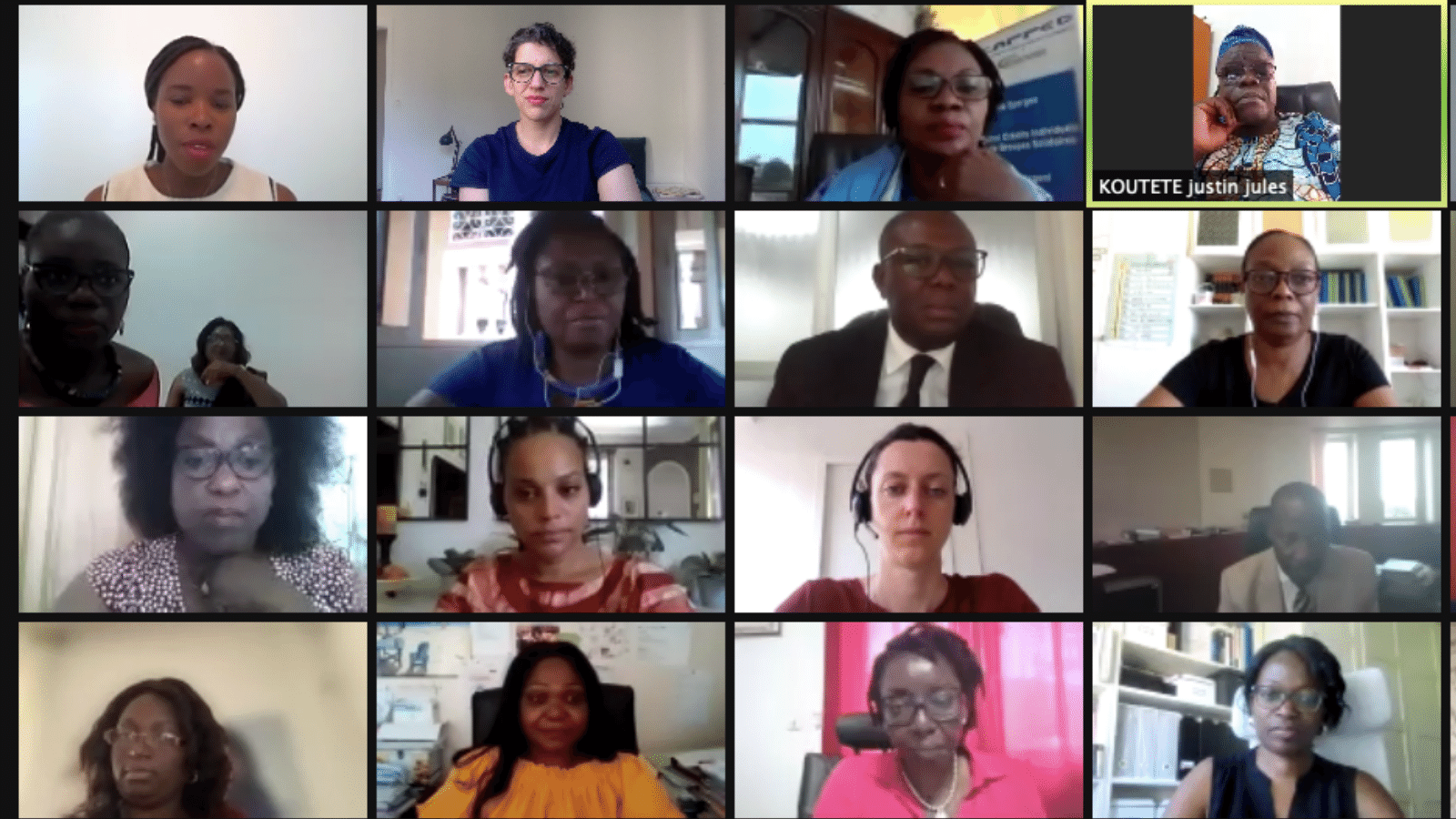
We believe people directly impacted by policy change must participate in its design. Women — and groups representing women — have an important role to play. (Resources below.)

Women in the CEMAC region are still largely excluded from the formal financial sector. In June 2021, our CEMAC advisory panel shared 23 proposals for accelerating women’s financial inclusion with regulators and public decision-makers in the region. Now they are collaborating to turn these recommendations into changes to policy and regulation.

How the Bank of Sierra Leone is prioritising consumer financial protection in the year ahead.
Related resources
An advisory panel is an important mechanism by which civil society can directly influence the policymaking process. “Convening” organisations can support the infrastructure of the panel, make introductions to regulators, and support regulators in taking civil society recommendations forward.
Consumer protection policy defends consumers and seeks to reduce the information asymmetries between providers and consumers that impede informed choices.